

Programme of improvements
Where your home qualifies for improvement work, we will write to give you plenty of notice before any work takes place.
Please make sure you also read the information below, which will help answer some of the questions you might have about when we will do the work.
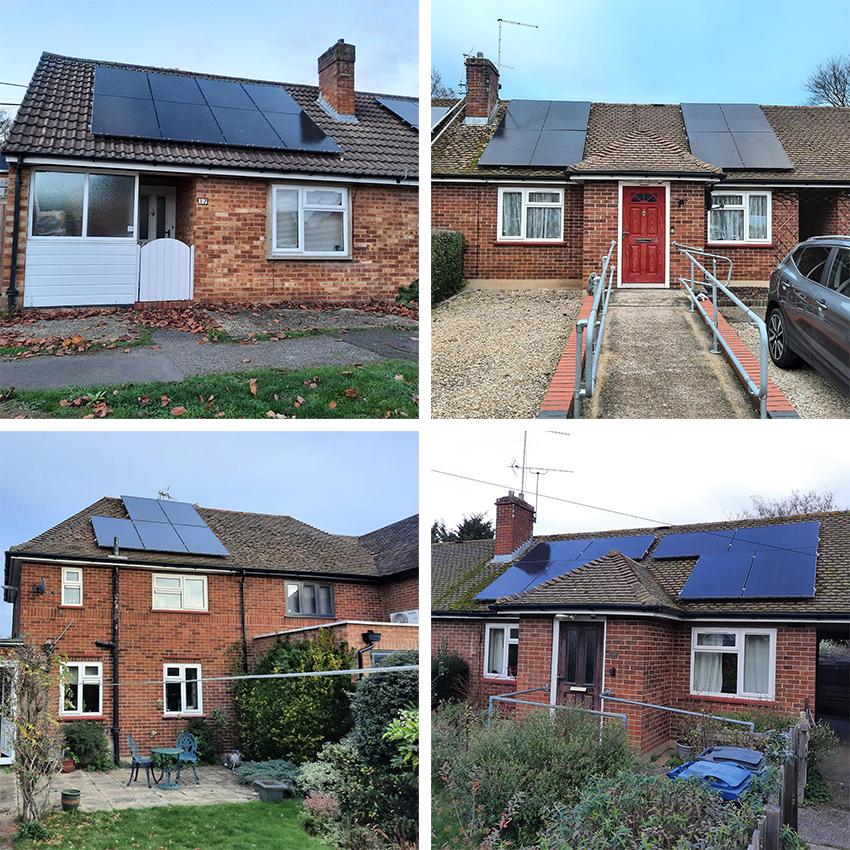
When will improvements be carried out?
Here are details of our planned programmes of investment and refurbishment for 2026-27:
- Phase 1
- Phase 2
Please note: If work to a home is listed, this does not guarantee that the work will need to be done. We may also pick up other areas of work that need to be carried out but do not feature on this list.
We'll write to you nearer the time and give you plenty of notice before any work takes place.
Here are some examples of bathrooms and kitchens that have recently been refurbished, to give you an idea of what to expect:
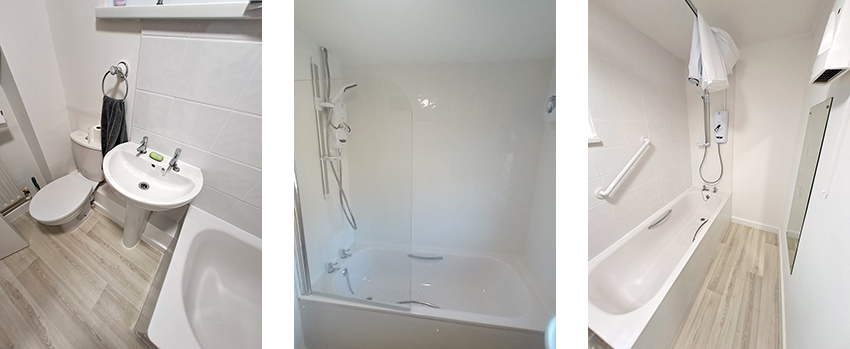
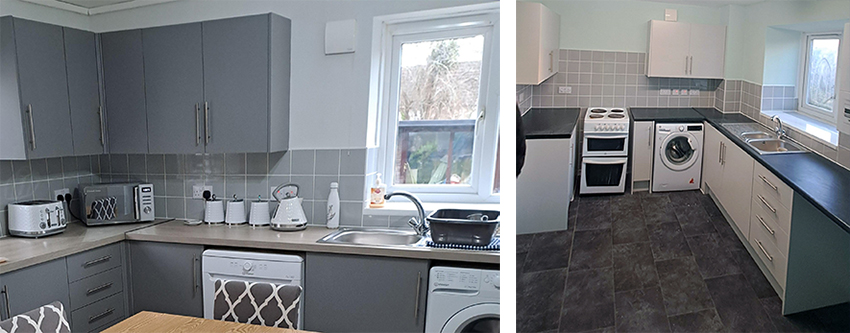
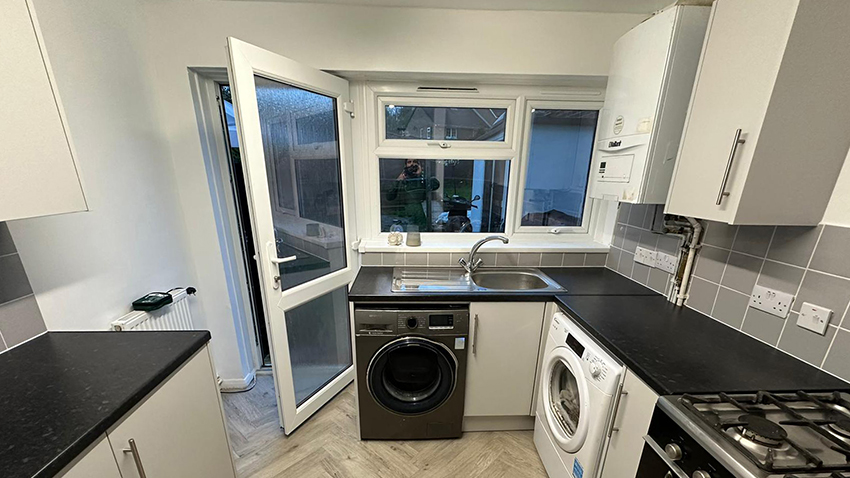
As a guide, improvements are usually carried out on the following basis:
Kitchens will be replaced when they are 25 years old
Bathrooms will be replaced when they are 30 years old, this also applies if there is a separate or additional toilet
Boilers will be replaced every 15 years
Gas central heating systems will be replaced about every 30 years.
If you have a specific question about work to your home, please contact us.
Planned improvement works FAQs
Indicative timescales and what to expect during planned works
The answers below cover common questions about roofing, windows, external doors, kitchens and bathrooms. All timescales are estimates and may change depending on the size and condition of the property, access, weather, asbestos findings and other unforeseen issues. Your contractor will keep you informed if the programme changes.
A kitchen renewal normally takes about one week. The exact duration depends on the size and condition of the kitchen. If asbestos is identified and must be removed safely, the work may take longer. The contractor will explain any change to the expected completion date.
The contractor will give you plenty of notice before work starts and explain what facilities will be available. Where possible, please plan meals that can be prepared in advance and reheated using a microwave or air fryer while the kitchen is out of use. Speak to the contractor before work begins if this will be difficult for your household.
No. Please do not purchase your own materials for the kitchen renewal. Red Kite will not be responsible for repairing or replacing items you supply yourself. Using our standard materials means that, if a repair is needed after the warranty period has ended, our day-to-day repairs team will know the specification and can source suitable replacement materials more easily and quickly. This helps reduce the time needed to complete the repair.
This depends on the type of flooring you currently have and whether it will remain suitable after the kitchen is replaced. The new cupboards may be slightly different sizes from the existing ones, so your flooring may no longer fit properly around them. If you wish to keep your existing flooring, you will need to sign a disclaimer form acknowledging the risk of damage during the kitchen replacement.
Please make sure your kitchen design and colour choices have been agreed before work begins. On the day work starts, your kitchen must be cleared and ready for the contractors before they arrive, so they can begin without delay.
A bathroom renewal normally takes about one week. The exact duration depends on the size and condition of the bathroom. If asbestos is identified and must be removed safely, the work may take longer. The contractor will explain any change to the expected completion date.
The contractor will aim to keep the existing bath or shower and toilet available for as long as possible. These facilities will usually be unavailable for only a few hours while the new items are installed and connected. The contractor will let you know in advance when this is expected.
No. Please do not purchase your own materials for the bathroom renewal. Red Kite will not be responsible for repairing or replacing items you supply yourself. Using our standard materials means that, if a repair is needed after the warranty period has ended, our day-to-day repairs team will know the specification and can source suitable replacement materials more easily and quickly. This helps reduce the time needed to complete the repair.
This depends on the type of flooring you currently have and whether it will remain suitable after the bathroom is replaced. The new bath fixture may be slightly different sizes from the existing ones, so your flooring may no longer fit properly around them. If you wish to keep your existing flooring, you will need to sign a disclaimer form acknowledging the risk of damage during the kitchen replacement.
Please make sure your colour choices have been agreed before work begins. On the day work starts, your kitchen must be cleared and ready for the contractors before they arrive, so they can begin without delay.
You do not need to be at home while the works take place. Our contractors can work in your property whether you are at home or away. If you will not be at home, you will need to sign a disclaimer form before the works begin to confirm that you are happy for the contractors to work in your property in your absence.
Once roofing work starts, it will normally take around one to three weeks to complete, depending on the size and condition of the roof. Weather, access, asbestos findings or other unforeseen issues may extend this timescale.
We aim to arrange removal as soon as the roofing work and any required inspections are complete. Asbestos-related work or other unforeseen issues may delay removal. The contractor will keep you informed and will arrange for the scaffolding to be taken down when it is safe to do so.
Our policy is that lofts should not be used for storage. If you have stored any items in your loft, you must remove them before the agreed start date for the works.
You do not need to be at home while the works take place. Our contractors can work in your home whether you are there or not. If you will not be at home, you will need to sign a disclaimer form before the works begin to confirm that you are happy for the contractors to work in your home in your absence.
After the survey and your choices are confirmed, the usual manufacturing lead time is approximately four to six weeks. When the door is ready, the contractor will contact you to arrange a suitable installation appointment.
The process is similar to a door renewal. Once the survey and choices are confirmed, the windows are ordered for manufacture. When they are ready, the contractor will contact you to arrange a suitable installation appointment.
Installation normally takes one to three days, depending on the number of windows being replaced and the condition and access at the property.
You do not need to be at home while the works take place. Our contractors can work in your home whether you are there or not. If you will not be at home, you will need to sign a disclaimer form before the works begin to confirm that you are happy for the contractors to work in your home in your absence.
Before work begins, please clear the area around each window being replaced. This includes taking down curtains and blinds and moving any items that could restrict access, so our contractors can carry out the window replacement without obstruction.
All renewed components have a 12-month defects period from completion. If a defect relating to the completed work arises during this period, please report it to us. We can arrange for the contractor to return, inspect the issue and make good any confirmed defect.
Keeping you informed
Your contractor will confirm appointments, explain how the work may affect you and provide updates if circumstances change. Please tell us or the contractor as early as possible about any access, health, mobility or household needs that could affect the planned work.
Energy efficiency improvement works FAQs
Underfloor insulation helps to prevent heat loss through your floor and keep heat in your home where it belongs. It’s a layer of material that is sprayed beneath the floorboards to help keep your home warmer and more comfortable.
To carry out this installation our contractor will use a Q-Bot robot called Betty, who will go beneath your suspended floorboards to spray the insulation material. We won’t need to remove all your floorboards, just enough to place Betty underneath, and she can then complete the installation. Using Q-Bot’s Betty means you’ll have minimal disruption to your day.
We’ll visit before the work starts
We’ll need time to come and survey your home’s floors to make sure it’s suitable for the installation.
Support throughout the whole process
We’ll visit you before and during the work, and after it is finished. This is to make sure everything is running smoothly, and to answer any questions you might have.
Noise
There will be some noise during the installation. However, any noise created will be during typical working hours.
Lots of photographs
We must document everything as evidence that the work is carried out correctly. Your privacy will always be considered.
It can take between one and two days to install; however, this will vary depending on the size of your home.
Yes they will. The installers will need access to your internal floors.
As our installers will be insulating your floors, they’ll need clear access to a small area of your floorboards, so in some cases this may mean lifting up carpets and rugs and removing furniture during the process. Our installer teams are professional and experienced and will ensure your home is left clean and tidy, and any carpets removed will be put back in place.
This will vary by home depending on its size, type of insulation material used and household energy usage. However, typically floor insulation could lower your energy bills by around £55 per year.
Yes, when installed correctly by specialist installers. We’ll only use experienced and qualified installers who meet the safety standards required.
The insulation won’t make your home warmer; it keeps the heat in for longer, which means you can turn your heating off sooner than you normally would. Also, be sure to check the temperature on your thermostat, as you might not need to set it as high as you might normally.
An insulation board (typically made from mineral wool or polystyrene) which is fixed to the external wall of a house.
The board is coated with a layer of render which has a mesh pressed into it to add strength to the system.
Two further layers of render are applied, providing a flat smooth surface for the final decorative coat.
Reduced heat loss
A fresh new look for the home
An improvement in sound resistance
An increase in the level of weatherproofing
Several visits before any work takes place
We’ll need time to analyse the overall condition of the home.
Support throughout the whole process
We’ll visit you before, during and after finishing the work, just to make sure everything is running smoothly, and to answer any questions you might have.
Noise
We’ll need to drill into your walls to fit the insulation boards. Any noisy work will be done during typical working hours.
Reduced natural daylight
We’ll need to apply a protective film to your windows so they don’t get stained or damaged.
Reduced use of your garden
We’ll need to fit scaffolding. It’s best to remove any garden furniture too. If you need assistance, please let us know.
Periods of inactivity
Each layer of render needs to cure for 2-3 days. Weather can also affect our ability to apply the render.
Access to your home
We’ll need to take care of a few things inside too. We’ll do our best to work around you.
Lots of photographs
We have to document everything as evidence everything has been done correctly. Your privacy will be considered at all times.
Like any rendered building, the external walls should be cleaned every now and then. Only use the cleaning products recommended in the information pack we leave with you
The insulation stops moisture created by day-to-day activities such as cooking and drying clothes which used to travel through your walls. This moisture needs somewhere to go, which is why we install new extract ventilation. You can find out more in the information pack we leave with you.
No. This is completely different, and safe. If you need to update your home insurance, be sure to let your provider know that you’ve had external wall insulation, not cladding.
The insulation won’t make your property warmer; it keeps the heat in for longer, which means you can turn your heating off sooner than you normally would. Also be sure to check the temperature on your thermostat as it might not need to be set as high now.
Using the power of the sun is one of the most energy-efficient ways to generate electricity for your home, it can also help to save you money too.
Solar PV panels are special devices that use sunlight to create electricity. They are made up of small units called photovoltaic cells. When sunlight shines on these cells, they start moving around, creating electricity.
The solar cells are connected to a big panel, and when we connect lots of panels together, we can make electricity. This means our homes aren’t relying on getting electricity from the grid, giving us free electricity, and you can even get paid for the electricity you don’t use.
Solar panels can help you save money on your electricity
Reduce your reliance on the main electricity grid
Generate your own electricity
We’ll visit before any work takes place
We’ll need time to analyse the overall condition of your home and install scaffolding before we begin the work. This will include checking your roof suitability, your energy usage, sunlight analysis, and your current electrics.
Support throughout the whole process
We’ll visit you before and during the work, and after it is finished. This is to make sure everything is running smoothly and to answer any questions you might have.
Noise
There may be some noise when installing the panels, but our team will try to keep this to a minimum
Lots of photographs
We must document everything as evidence all work has been carried out correctly. Your privacy will always be considered.
You shouldn’t need to. They’re designed to be self-cleaning. They have a special coating which prevents thins sticking to them. However, if you live in a dusty or sandy area and there is a build-up of dirt, please contact us so we can help.
Most solar panels are designed to last 20 to 25 years. Our panels come with a 25-year performance guarantee.
Yes, solar panels work throughout the year, regardless of the weather. Solar panels generate electricity from daylight, not sunlight or heat.
They are designed to be low maintenance, so you shouldn’t need to do much, as they don’t have any moving parts. Cleaning can be recommended once a year but please speak to us about this. Your warranty will cover any repairs or performance issues.
As you’re generating your own electricity and not buying it from the grid you can help reduce your monthly electricity bills. The amount will depend on a few factors such as the size of your solar system, your household energy consumption, and electricity rates.
An air source heat pump (ASHP) is a device that uses the outside air to warm up your home. It works in a similar way to a fridge, but in reverse.
Put simply, it extracts heat from the outdoor air and transfers it indoors to provide heating for your home. It’s an energy-efficient way to keep your space warm, and even in the colder weather it can produce heat – in temperatures as low as -27ºC.
Potential to reduce bills
Increased comfort
Heating system upgrade
Environmentally friendly
We’ll visit before any work takes place
We’ll need time to analyse the overall condition of your home and review both the inside and outside. Things we’ll check are home suitability, current insulation, how much energy your home needs, potential location and space required for the heat pump and existing electrical supply.
Support throughout the whole process
We’ll visit you before and during the work, and after it is finished. This is to make sure everything is running smoothly and to answer any questions you might have.
Noise
There may be some noise when installing your new units but our team will try to keep this to a minimum.
Lots of photographs
We must document everything as evidence that all work has been carried out correctly. Your privacy will always be considered.
Yes, modern air source heat pumps are designed to work efficiently, even in cold weather. They can extract heat from the outdoor air, even at low temperatures, to provide effective heating for your home.
Air source heat pumps generate some noise, like a fan or an air conditioning unit. However, modern models are designed to keep noise to a minimum. Proper installation and positioning can also help reduce any noise.
With proper maintenance, air source heat pumps can last for up to 15 to 20 years, or more. Contact us to ask about maintenance.
Yes. We’ll check what insulation you have and let you know if insulation is required. Insulating walls, floors and roofs creates a thermal barrier, reducing heat loss and allowing the heat pump to operate more efficiently. Proper insulation can result in energy savings, improved performance of the heat pump, and reduced heating load on the system.
Air source heat pumps generally don’t require a huge amount of outdoor space, however, enough space is needed around the outdoor unit for proper airflow and maintenance access, so it’s important that a suitable location is identified before work starts. This will be discussed with you before installation takes place.
Yes, your heat pump will need to be cleaned, as well as replacing air filters, inspecting and cleaning coils, checking refrigerant levels, lubricating components, and checking the heat pump performance. Please speak to us about any maintenance required.
Cavity wall insulation is designed to keep heat in your home, where it belongs. It’s a process of filling the gap between the inner and outer walls of a building with insulation material.
Cavity walls are made up of two layers of brick with a gap between them, the cavity. During installation, a specialist installer will drill small holes into the external walls and inject material into the cavity using specialist equipment. It’s a simple process and usually doesn’t take longer than a few hours.
We’ll visit before any work takes place
We’ll need time to analyse the overall condition of the property.
Support throughout the whole process
We’ll visit you before and during the work, and after it is finished. This is to make sure everything is running smoothly, and to answer any questions you might have.
Noise
We’ll need to drill into your walls to inject the insulation. Any noisy work will be done during typical working hours.
Lots of photographs
We must document everything as evidence all work has been carried out correctly. Your privacy will always be considered.
Typically, it’s only a few hours, but can vary depending on the size of your home.
No, they’re working on the outside walls of your home, so there’s no need for them to come inside.
This can vary by home depending on its size, type of insulation material used and household energy usage. However, typically a semi-detached home could save up to £200 per year.
Yes, when installed correctly by specialist installers. We’ll only use experienced and qualified installers who meet the safety standards required.
The insulation won’t make your home warmer; it keeps the heat in for longer, which means you can turn your heating off sooner than you normally would. Also, be sure to check the temperature on your thermostat, as you might not need to set it as high as you might normally.
Please note: The measures installed are subject to a retrofit assessment survey being completed first, at which point Red Kite will agree which works will take place subject to where grant funding is available. Not all measures will be deemed appropriate and each and every home may attract a different set of measures.